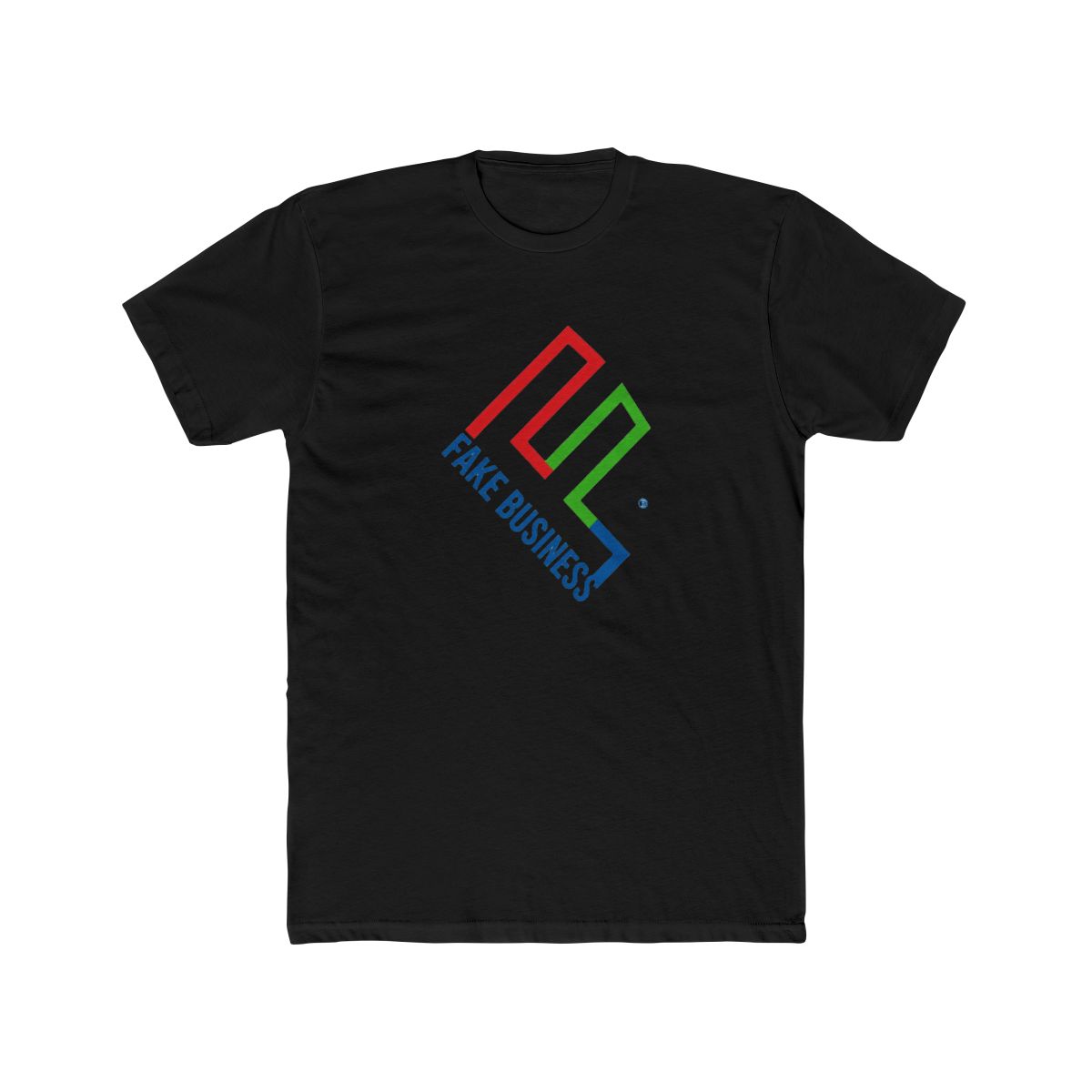
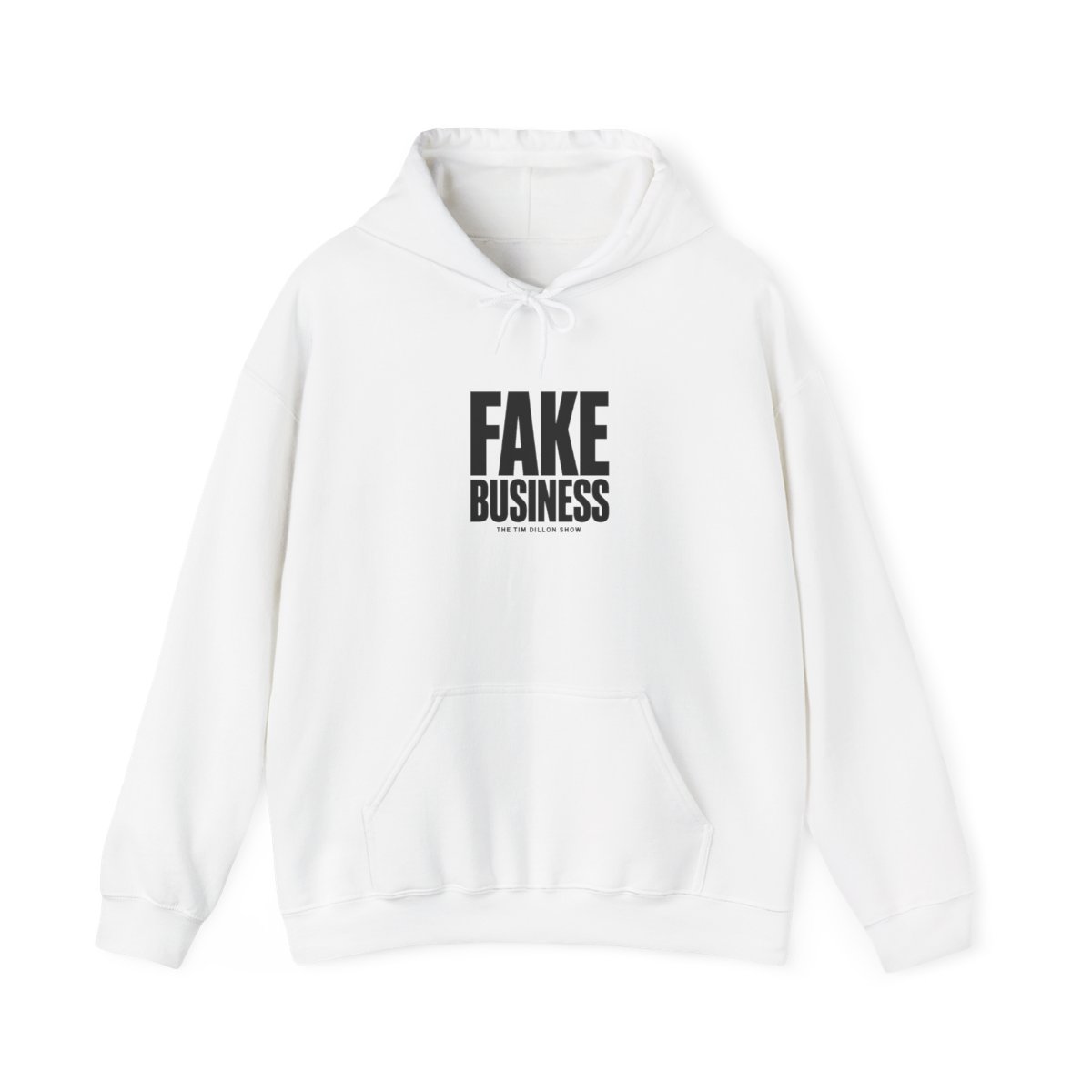
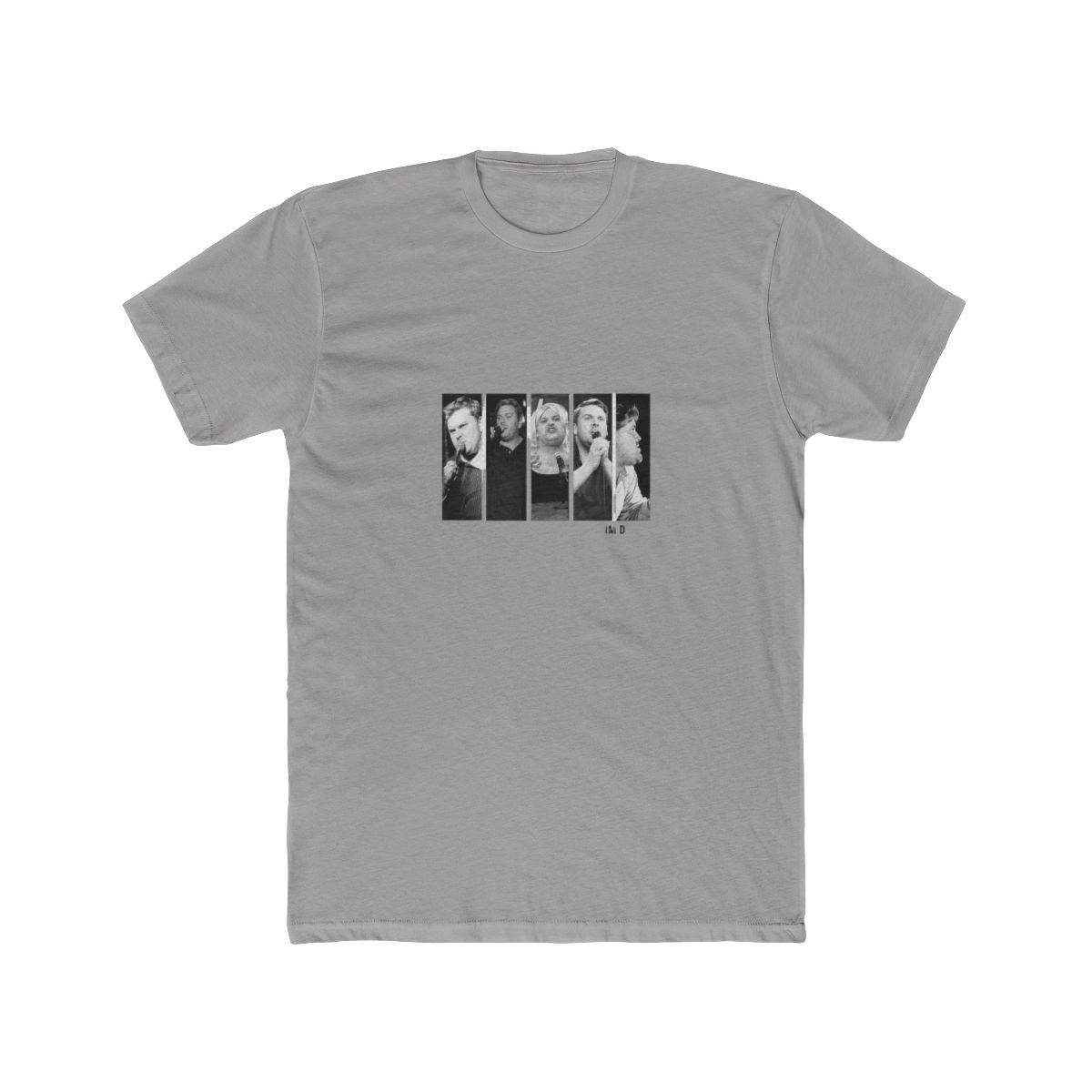
You just got your hands on a Tim Dillon "The Future is a Dead Mall" tee and a podcast hoodie. The print is crisp, the fabric feels perfect. But after a few washes, that fresh look can fade fast. This tim dillon merch care guide will help you keep your gear looking new for years.
← Back to Blog
Tim Dillon Merch Care Guide: Keep Your Gear Looking New
Keep your Tim Dillon t-shirts and hoodies looking fresh with this merch care guide. Learn washing, drying, and storage tips to extend the life of your favorite gear.
Why Proper Care Matters for Your Tim Dillon Merch
Tim Dillon's merch isn't just clothing - it's a statement. From his biting political jokes to the iconic dead mall imagery, each piece carries a vibe. But the bold graphics and dark humor prints rely on proper care to stay vibrant. Most Tim Dillon tees are screen-printed or use direct-to-garment (DTG) printing. DTG prints are soft but can crack if mishandled. Screen prints are thicker but can peel. Either way, heat and friction are enemies.
I've designed merch for years, and I see the same mistakes over and over. People throw their favorite hoodie in a hot dryer and wonder why the design looks like a cracked sidewalk. With a few simple changes, you can double the life of your collection.
Washing Your Tim Dillon T-Shirts and Hoodies
Step 1: Turn Everything Inside Out
This is the single most important step. Turning your garment inside out protects the printed surface from abrasion against other clothes and the machine drum. For Tim Dillon's darker humor tees (like the "Podcast" logo hoodie), this also prevents lint buildup on the front.Pro tip: Zip up zippers and fasten buttons to avoid snags. I once lost a corner of a dead mall print to a stray hook.
Step 2: Use Cold Water (Below 30°C / 86°F)
Hot water breaks down the adhesive in screen prints and can cause DTG inks to bleed. Cold water keeps fibers tight and colors locked in. For sweatshirts with heavy graphic backs (like the "Tim Dillon Show" hoodie), cold water also prevents shrinkage. I wash all my sample pieces at 20°C.Common mistake: Using warm or hot water thinking it cleans better. It doesn't - it just ages the print faster.
Step 3: Choose a Gentle Detergent - No Bleach
Bleach and oxygen boosters will eat through prints. Use a mild liquid detergent. For heavy stains (like nacho cheese from a live show), pre-treat with a small dab of dish soap on the stain, then wash normally. Avoid fabric softeners - they coat fibers and make prints lift.Step 4: Set the Machine to a Delicate Cycle
Extra agitation = faster wear. Use the "Delicate" or "Hand Wash" cycle with low spin speed. This reduces friction. For multiple Tim Dillon tees, wash similar colors together. I separate darks and lights because dark tees (like the black "Dead Mall" tee) can shed dye onto lighter pieces.Drying and Ironing Tips for Printed Apparel
Step 5: Air Dry - Never Machine Dry
High heat is the #1 killer of printed designs. After washing, lay your Tim Dillon gear flat on a drying rack or hang it in the shade. Do not use the dryer. If you must use a dryer for a hoodie, use the lowest heat (no heat setting) and remove while still slightly damp. But air drying is safer.Pro tip: Turn the garment right side out once it's mostly dry to prevent creasing. For fleece hoodies, avoid hanging by the hood - it stretches the neckline. Lie flat instead.
Step 6: Iron Inside Out with No Steam
If you need to iron, turn the garment inside out and place a thin cloth (like a pillowcase) over the design. Use a low temperature setting - synthetic or low cotton - and never iron directly on the print. Steam can loosen the ink. I ruined a test print by accidentally hitting the steam button.Storing Your Collection to Avoid Fading
Step 7: Fold, Don't Hang
Hanging heavy hoodies can distort shoulders. Fold them neatly and store in a drawer or shelf. For t-shirts, folding is better than hanging because hangers can stretch the neckline over time. If you must hang, use padded hangers for hoodies and fold the shirt over the hanger (do not use the neck opening).Keep your collection out of direct sunlight. UV rays fade prints even when stored. Use opaque storage bins or a closet with doors. I keep my own Tim Dillon shirts in a dark dresser drawer.
Step 8: Avoid Plastic Bags
Plastic traps moisture, leading to mildew and print peeling. Use breathable fabric storage cubes or cardboard boxes. For long-term storage, wrap in acid-free tissue paper.Common Mistakes That Ruin Tim Dillon Merch
- Using hot water: As mentioned, hot water shrinks cotton and damages prints. Always cold.
- Machine drying: Even low heat can cause cracking after repeated cycles. Air drying is easy and extends life by years.
- Bleaching stains: Bleach removes color from the garment and the print. Use a stain remover stick instead.
- Stacking heavy items on top: Don't pile textbooks or heavy boxes on your folded merch. Crushing can cause permanent creases and print cracks.
- Ignoring care labels: The tags inside tell you the blend (e.g., 50% cotton / 50% polyester). Heeds them - some blends shrink differently.
FAQ
Can I use bleach on my Tim Dillon shirts?
No. Bleach will destroy both the fabric color and the printed design. For stains, use a gentle pre-treatment like a dab of dish soap.How do I remove wrinkles from a printed hoodie?
Turn it inside out, place a cloth over the print, and use a low-heat iron. Never iron directly on the design.Should I wash my Tim Dillon merch before wearing it?
Yes, washing before wear removes any residual chemicals from printing and softens the fabric. Follow the cold water, inside-out method.My print is cracking - can I fix it?
Cracking is usually permanent because the ink has separated from the fabric. Prevent it by air drying and washing inside out. For minor cracks, you can try a fabric glue pen on the reverse side, but it won't restore the original look.How often should I wash my Tim Dillon hoodie?
Wash it only when it's visibly dirty or smells. Over-washing accelerates wear. Spot clean small stains with a damp cloth.Key Takeaways
- Always turn Tim Dillon merch inside out before washing
- Use cold water and gentle detergent - no bleach or softeners
- Air dry flat to prevent shrinkage and print damage
- Store folded in a dark place, away from sunlight and plastic
- Avoid heat from dryers and irons to keep prints vibrant for years
Related Posts
undefined
Ultimate Tim Dillon Dorm Room Decor for College 2026
Turn your tiny dorm into a sicko sanctuary with the best Tim Dillon-inspired merch of 2026. We cover...
undefinedBest Tim Dillon Backpacks and Bags for School in 2026
Your backpack should survive the school year and match your sense of humor. Here are the Tim Dillon-...
undefinedTim Dillon Gaming Merch Best Picks for Sickos
Level up your gaming setup with Tim Dillon merch. From heavyweight hoodies to deadpan tees, these pi...
Shop Tim Dillon Merch
Official merchandise — premium quality, designed for the community.